Complete Guide to finding trusted paving services in Beacon
Complete Guide to finding trusted paving services in Beacon
Blog Article
Dependable Asphalt Installation Contractor for Resilient Driveways and Roads
Picking a dependable paving contractor is important for establishing robust parking surfaces and pathways. Strategic choice assures durability and performance in paving projects. Components including experience, testimonials, and technical proficiency significantly shape the ultimate result. Grasping the intricacies of expenses and follow-up care can considerably enhance the evaluation process. When real estate holders review their alternatives, many vital elements require careful examination to achieve a favorable undertaking. Which elements should they concentrate on in their exploration?
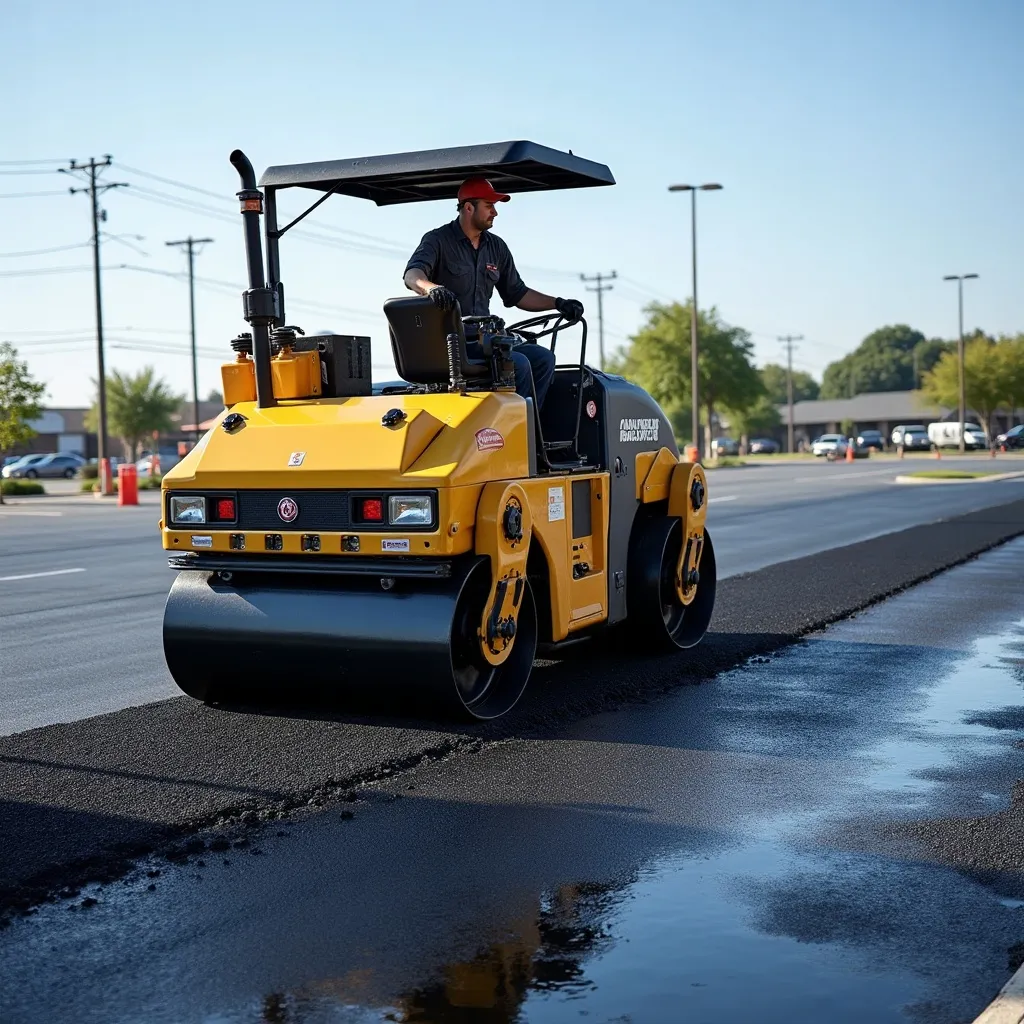
Steps to Hire an Professional Paving Contractor
When selecting an experienced paving contractor, one might wonder what critical elements to review. First, it is crucial to check the contractor's certifications, including authorizations and protection, to ensure compliance with local ordinances and protection against liabilities. Next, assessing client feedback and prior work examples can provide insight into the contractor's standard of work and reliability.
In addition, obtaining multiple estimates can assist in measuring the market rate for projects and uncovering any red flags, such as unusually low offers. Experience in specific paving categories, like residential driveways or commercial parking lots, is another important point, since specialized knowledge often brings about better outcomes. Communication are also essential; contractors should be responsive and ready to address questions or concerns. Lastly, reviewing guarantees offered can reflect the contractor’s confidence in their work and commitment to customer satisfaction.
Top Selections for Your Driveway
When choosing selections for a driveway, homeowners commonly compare the positives and negatives of asphalt and concrete. Each option presents distinctive traits that can affect durability and cost. Additionally, gravel offers a more cost-effective alternative but comes with its own set of benefits and drawbacks.
Asphalt versus Concrete Selections
Which material provides the optimal balance of durability and expense for driveways: asphalt or concrete? Asphalt is often favored for its lower upfront price and faster installation process. It typically delivers a sleek finish that can withstand severe weather circumstances, making it a practical option for many homeowners. However, asphalt demands consistent maintenance, including sealing and and resurfacing, to extend its life expectancy.
On the other hand, concrete is celebrated for its longevity and minimal upkeep needs. With correct placement, concrete driveways can last over 30 years. Additionally, concrete provides a range of aesthetic options, such as ornamental surfaces. While the upfront cost is greater, the lower upkeep requirements can render it a economical choice over time. In the end, the decision relies on individual budget and preferences.
Gravel Advantages and Disadvantages
Asphalt and concrete are frequently used for driveways, but gravel also provides a practical alternative with varied pros and drawbacks. A chief advantage of gravel is its economic advantage; it usually requires a smaller initial investment compared to asphalt and concrete. In addition, gravel allows for excellent drainage, which reduces the risk of water pooling. That said, it is not without challenges. Gravel driveways necessitate regular maintenance, such as replenishing material and raking to keep the surface balanced. Moreover, erosion can pose problems, and gravel may be less stable in busy areas. Ultimately, the choice to opt for gravel should consider both its cost benefits and the homeowner’s readiness to invest in continual upkeep.
Evaluating Client Feedback: What to Consider
How might potential clients discern the standard of a paving contractor through customer reviews? Evaluating these reviews requires attention to specific factors. First, clients should look for overall ratings; a high average score often indicates satisfactory service. Next, the volume of reviews is important; a larger quantity provides a more reliable picture of the contractor's performance.
Clients should also examine the details of individual testimonials. Positive feedback about promptness, responsiveness, and work quality is crucial. Additionally, common patterns in negative reviews, such as poor customer service or project delays, can signal possible problems.
In addition, replies from the contractor to reviews show their dedication and commitment to client happiness. In conclusion, examine reviews from different platforms to develop a holistic perspective. By focusing on these considerations, future clients can make informed selections about their paving contractor.
What are the important Inquiries to Pose Your Paving Contractor?
When choosing a asphalt professional, asking the right questions can significantly influence the final result. It is vital to inquire about the contractor's experience and the types of projects they have finished. Understanding their method for selecting materials and applying techniques can also shed light on the standard of craftsmanship to expect.
Prospective customers should ask about insurance and licensing to guarantee the contractor satisfies legal requirements and is safeguarded from possible risks. Additionally, talking about the timeline for project completion and any potential delays is essential.
Inquiring about warranties on both materials and labor can protect the investment. Finally, it's advantageous to ask for testimonials or samples of past projects to gauge the contractor's reliability and quality. find out more These questions not only define requirements but also create a foundation for strong dialogue throughout the undertaking.
Paving Prices: What to Plan For
Understanding paving costs is vital for homeowners thinking about a project. Various considerations, encompassing material options and rates, substantially impact the final cost. In addition, examining lasting worth can help in making sound choices about pavement expenditures.
Factors Determining Paving Fees
Numerous considerations impact paving costs, making it important for property owners to understand the variables at play. One principal aspect is the size of the area to be paved; larger spaces typically incur higher costs due to increased material and labor requirements. Additionally, site conditions, such as soil quality and drainage, can affect pricing, as extensive preparation may be needed. Local labor rates also play an important role; areas with a higher cost of living often have elevated labor expenses. Moreover, the complexity of the project, including intricate designs or existing structures, can lead to added costs. Finally, seasonal factors may influence pricing, as contractors often adjust rates based on demand fluctuations throughout the year.
Material Selections and Rates
Several paving options greatly impact pavement expenses, with each offering particular benefits and different price points. Asphalt, known for its economic efficiency and fast installation, typically costs from $3 to $5 per square foot. Concrete, being more durable, can cost between $4 and $8 per square foot, based upon finish and thickness. Pavers, composed of brick or stone, offer aesthetic appeal but typically cost from $10 to $20 per square foot, along with installation. Additionally, permeable paving options, which allow for water runoff, tend to be more costly due to their specialized materials and detailed installation approaches. Homeowners should review these options carefully, balancing initial costs with desired longevity and overall performance for their driveways and roads.
Importance of Warranties and Post-Purchase Support
When picking a trustworthy paving professional, the necessity of warranties and follow-up support cannot be overlooked. Warranties serve as a shield for clients, guaranteeing that any defects in materials or craftsmanship are fixed without additional costs. A established contractor generally provides an broad warranty that demonstrates their belief in the standard of their work.
Beyond warranties, aftercare support constitute an vital role in extending the longevity of paved surfaces. Regular upkeep, such as seal coating and crack filling, can prevent more extensive damage and costly repairs down the line. A contractor that provides continuous care exhibits a pledge toward client happiness and the durability of their work.
Therefore, coverage and follow-up assistance not only maximize the value of the initial investment but also furnish confidence for residents and corporate entities alike. A solid contractor values these aspects, cementing credibility and persistent bonds with stakeholders.
Frequently Asked Questions
How Much Time Will the Paving Process Usually Consume?
Installing asphalt generally requires one to three days, subject to the size and complexity of the work. Aspects such as atmospheric conditions, ground preparation, and selection of supplies can also alter the full timeline markedly.
What Environmental Conditions Affect Paving Work?
Weather conditions significantly affect paving work. Rain, snow, and extreme temperatures can postpone projects, while humidity levels impact the curing process. Ideal conditions, typically dry and mild, ensure better adhesion and durability of the pavement.
What Steps Should I Implement to Maintain My New Driveway?
A new driveway requires frequent washing, sealing every few years, and repairing cracks quickly to stay in good condition. Preventing excessive weight and using appropriate snow removal techniques are important for prolonging its lifespan and maintaining its look.
Do eco-friendly surfacing options exist?
Indeed, abundant green surfacing options can be found, including permeable pavers, reclaimed asphalt, and alternative concretes produced from sustainable materials. These choices help decrease ecological footprint while furnishing useful and long-lasting surfaces for walkways and parking areas.
Is a Permit Required for Asphalt Jobs?
Often permits are needed for paving projects, in accordance with local regulations. Homeowners should get in touch with their municipal planning department to figure out specific requirements, maintaining compliance and avoiding potential costs or construction interruptions during construction.
Report this page