New Westminster top Concrete Contractor for Residential and Commercial Work
New Westminster top Concrete Contractor for Residential and Commercial Work
Blog Article
Skilled Concrete Contractor for All Your Construction Projects
Retaining a experienced concrete service provider is fundamental for the success of any construction venture. Their expertise assures that tasks are concluded efficiently and to a high standard. These individuals address challenges with skill and have established relationships that reduce complexity in material sourcing. Understanding local regulations and prioritizing safety are also key aspects of their role. Yet, many neglect the long-term benefits of choosing the right contractor. What factors should one weigh when making this important decision?
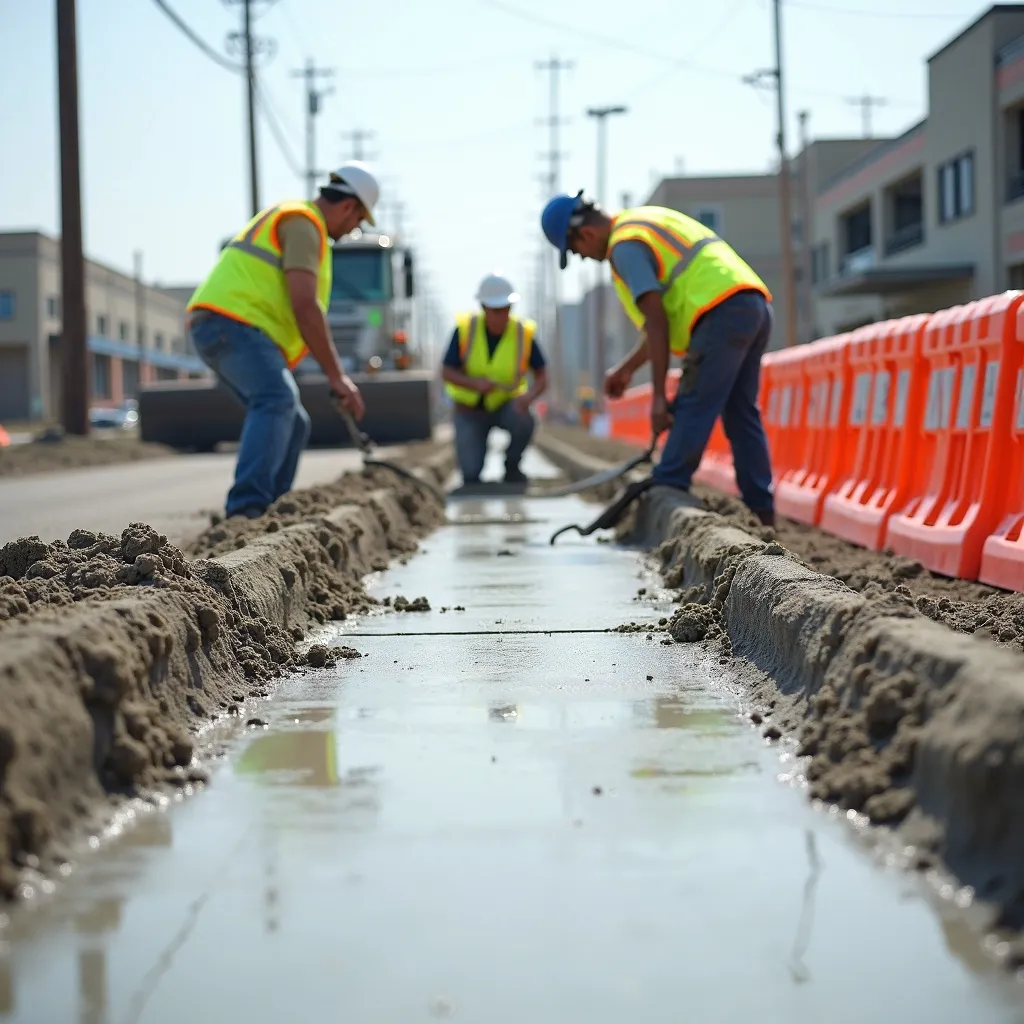
Why Selecting an Expert Concrete Contractor Proves Critical
When deliberating a construction project, the necessity of retaining an experienced concrete contractor is undeniable. An skilled contractor contributes a tremendous collection of knowledge and capabilities that are essential for safeguarding the quality and durability of concrete work. Their familiarity with multiple techniques and materials enables superior decision-making, ultimately achieving a more resilient and steadfast structure.
Moreover, skilled contractors are proficient at handling possible difficulties that may emerge during the construction process. They are well-equipped to address surprising complications efficiently, curtailing postponements and surplus expenses. In addition, an experienced contractor typically has strong relationships with suppliers and subcontractors, which can enhance the sourcing of materials and resources.
Key Attributes of a Dependable Concrete Contractor
A dependable concrete contractor has multiple essential characteristics that set them apart in the construction industry. First and foremost, strong communication skills are fundamental; they guarantee that clients are kept updated during the entire project, building trust and clarity. Furthermore, a strong track record built on positive customer feedback and recommendations indicates a contractor's reliability and work quality.
Furthermore, proficiency in various concrete applications, paired with knowledge of the latest techniques and materials, allows them to deliver superior results. Careful consideration of detail is another significant quality, as it guarantees precise measurements and outstanding levels of workmanship.
In the end, a dedication to safety and compliance with standards reflect professional standards and accountability. By embodying these qualities, a dependable concrete contractor not only fulfills client expectations but also supports successful project outcomes, establishing them as vital in the construction sector.
Tips for Selecting the Ideal Concrete Project for Your Situation
Selecting the ideal concrete assignment requires thoughtful thought of particular needs and objectives. Individuals should begin by analyzing the intended use of the concrete, whether for driveways, foundations, or decorative elements. A clear grasp of the project's purpose guides the selection of materials and methods.
Next, budget constraints serve as an essential role. Assessing available financial resources helps in determining the scale and complexity of the project. Additionally, the local climate can influence the decision of concrete type and finishing techniques, ensuring endurance and extended lifespan.
It is also necessary to take into account the timeline for finishing your project. Some concrete applications need curing time, which may impact scheduling. Engaging with an qualified concrete expert can offer helpful guidance into the optimal methods and choices available. At the end of the day, matching the project's specific details with personal requirements achieves a successful concrete undertaking that fulfills the intended goals.
What You Should to Know About Local Concrete Regulations?
Understanding local concrete guidelines is necessary for any development effort, as these rules outline various aspects of concrete application, including quality standards, installation methods, and environmental considerations. These policies are typically implemented by administrative or governmental authorities and can range widely from one location to another.
Contractors need to be cognizant of zoning laws, which can control where concrete structures may be constructed. Additionally, building codes frequently establish the required strength and composition of concrete mixes, ensuring safety and durability. Environmental regulations may also enforce the use of eco-friendly materials and proper waste disposal methods to reduce environmental impact.
Disregarding these regulations can bring about charges, timeline delays, or even judicial proceedings. Thus, coordinating with local authorities during the early planning stages is recommended. Understanding and following these regulations not only fosters community safety but also reinforces the integrity of the construction project.
Ways Skilled Specialists Help You Save You Valuable Hours and Funds
Experienced contractors play a pivotal role in streamlining construction projects, allowing clients to capitalize on both time performance and cost advantages. Their rich expertise enables them to manage complex tasks swiftly, reducing the overall project timeline. By leveraging industry connections, experienced contractors often secure better quotes on materials, translating to lower expenditures for clients.
Moreover, their knowledge of local regulations ensures compliance, which reduces the risk of costly delays and penalties. Efficient project management is another major advantage, as these experts manage labor and resources, preventing obstacles that can lead to increased costs.
Moreover, by utilizing established methods, expert contractors reduce the likelihood of mistakes, which can cause expensive rework. Ultimately, hiring an experienced contractor not only enhances the caliber of the undertaking but also optimizes financial resources, making it a sound investment for any construction endeavor.
High-Grade Components and Processes: Why They Matter in Concrete Work
High standards in concrete work is fundamental, as it directly controls the durability and longevity of any construction project. The selection of high-grade materials plays a crucial role; inferior concrete can lead to cracking, erosion, and structural failure over time. Using quality aggregates, cement, and additives guarantees that the final product can withstand environmental stresses and heavy loads.
Moreover, harnessing state-of-the-art methods throughout the mixing, pouring, and curing phases considerably enhances the integrity of the composite. Proper mixing ratios and solidification techniques facilitate achieving ideal robustness and diminish defects. Knowledgeable specialists understand these nuances and implement optimal procedures to deliver superior results.
Ultimately, putting money into quality materials and techniques not only improves the structural integrity but also minimizes long-term maintenance costs. This basis of dependability is essential for both residential and commercial projects, ensuring that they endure through the years. Quality in concrete work is an investment that pays dividends.
Popular Inquiries Posed
Which Categories of Concrete Services Do Contractors Generally Provide?
Concrete see this article contractors typically provide a range of services including pouring foundations, driveway installation, concrete decorative work, slab construction, creating sidewalks and patios, repair and resurfacing, as well as concrete demolition and recycling.
How much time will a conventional concrete assignment normally take?
A standard concrete project normally takes between one to three days, affected by factors such as project size, complexity, weather conditions, and curing time. Larger or more intricate projects may entail additional time for completion.
What Are the Usual Clues of Defective Concrete Work?
Typical indicators of poor concrete work consist of noticeable fractures, uneven surfaces, inadequate water management, color variation, peeling, and powdery deterioration. These issues typically suggest inadequate curing, incorrect blending, or inadequate groundwork, compromising the building's soundness and longevity.
May I Request Tailored Designs for My Concrete Project?
Yes, made-to-order designs for concrete undertakings can be requested. Many contractors enable customization in design, giving customers to weave in unique features and design elements that harmonize with their aspirations, elevating both effectiveness and aesthetic charm.
How Can Climate Factors Influence Concrete Curing Processes?
Weather conditions greatly impact concrete development. High temperatures can quicken drying, bringing about cracking, while cold can hinder the process, risking incomplete hydration. Ideal curing insists on moderate temperatures and controlled moisture to warrant durability and strength.
Report this page